Intelligent Driving
Meet your clever co-pilot


Redefine how you move with
Nissan Intelligent Mobility.
Redefine how you move with
Nissan Intelligent Mobility.
Redefine how you move with
Nissan Intelligent Mobility.
Intelligent Driving
Meet your clever co-pilot
Intelligent Driving
Meet your clever co-pilot
Intelligent Driving
Meet your clever co-pilot

As the road turns, your vehicle will work alongside you to help keep you safely in your lane. With ProPILOT Assist technology¹ on board, your Nissan can assist you at every turn.
Intelligent Power
Pure Driving Comfort
Intelligent Power
Pure Driving Comfort
Intelligent Power
Pure Driving Comfort

Getting to your destination should be a comfortable experience – whether it’s smoothness of the ride or the sophisticated systems helping you on your way. Nissan technologies like e-Pedal Step and e-4ORCE All-Wheel Drive help make your journey more refined.
Intelligent Integration
Connect to your world
Intelligent Integration
Connect to your world
Intelligent Integration
Connect to your world

The latest episode of your favourite podcast, your roadtrip playlist or "don't forget the milk". Thanks to NissanConnect Services⁵, simple voice commands allow a driver to access all of their entertainment, texts and WhatsApp messages.

Drive with less stress, and more zen
Your Nissan can help you become a safer, more alert and more courteous driver. Nissan Intelligent Mobility utilises technology that automatically adjusts your headlights for oncoming vehicles, keeps a safe distance in traffic, alerts you to the current speed limit and more.

Your intuitive, alert and pro-active driving buddy. ProPILOT Assist with Navi-Link follows the flow of traffic using sophisticated sensors and your vehicle’s mapping system to help anticipate, alert and guide you in a whole range of driving scenarios.

Long motorway journeys can become monotonous and tiring. But Drive Assist helps take some of the strain. If available and when activated, Intelligent Cruise Control automatically matches your speed to the flow of traffic to help you keep a safe distance. Lane Keep Assist also makes subtle steering corrections to help keep you centred in your lane – even through gentle curves.

Driving at night can be tiring. But Nissan Adaptive LED Headlamps help to reduce fatigue through smarter illumination. By splitting the high beam into 12 individually controlled segments, they automatically adjust to prevent dazzling oncoming drivers while maximising visibility for the road ahead at all times. Adaptive Headlamps are available on some models and will become available on other models in the future.³

Nissan’s High Beam Assist and Automatic Headlights can help make night-time driving safer and easier. Have your headlights turn on automatically when it gets dark and have your high beams automatically dip as you approach oncoming traffic and reactivate when they have passed.
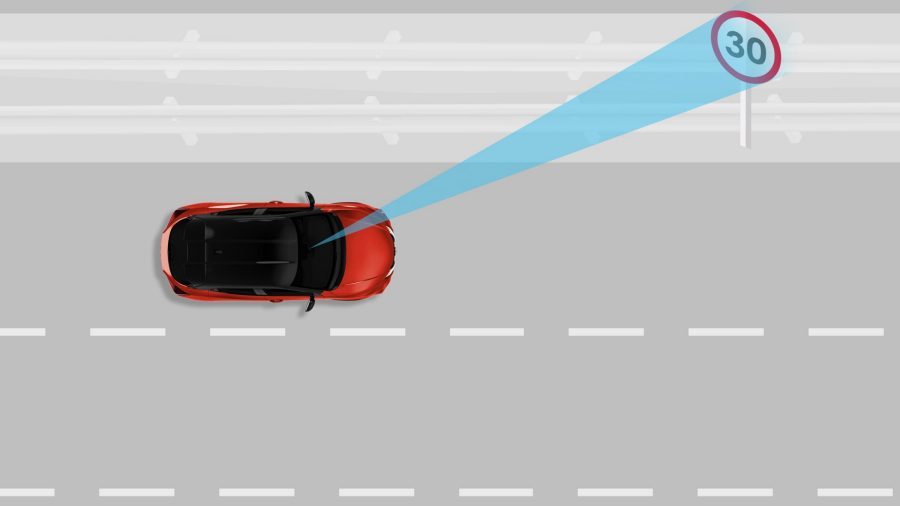
Sensors in your Nissan detect clearly visible road signs and give you a constant reminder of the current speed limit, helping to keep you safe and legal on the road.
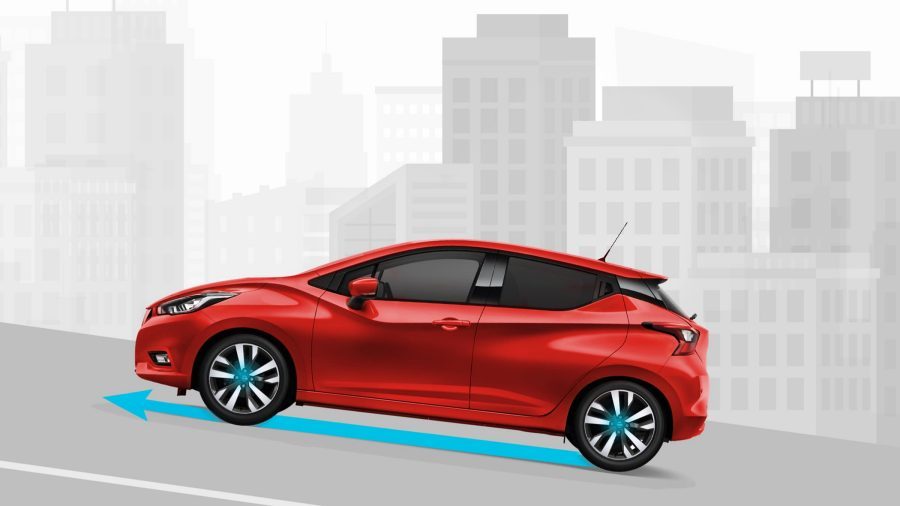
Whether at a junction, a roundabout or pulling out from the kerb, Hill Start Assist (if available) automatically holds your Nissan when stationary on an incline, leaving you to focus safely on the driving situation at hand.
Striving for safer roads for everyone
When driving on todays busy roads, it sometimes feels like you need eyes in the back of your head. Nissan safety technology not only watches and warns you of potential hazards all around but it can even step in and apply the brakes in an emergency stop, helping you to avoid or reduce the impact of a collision.
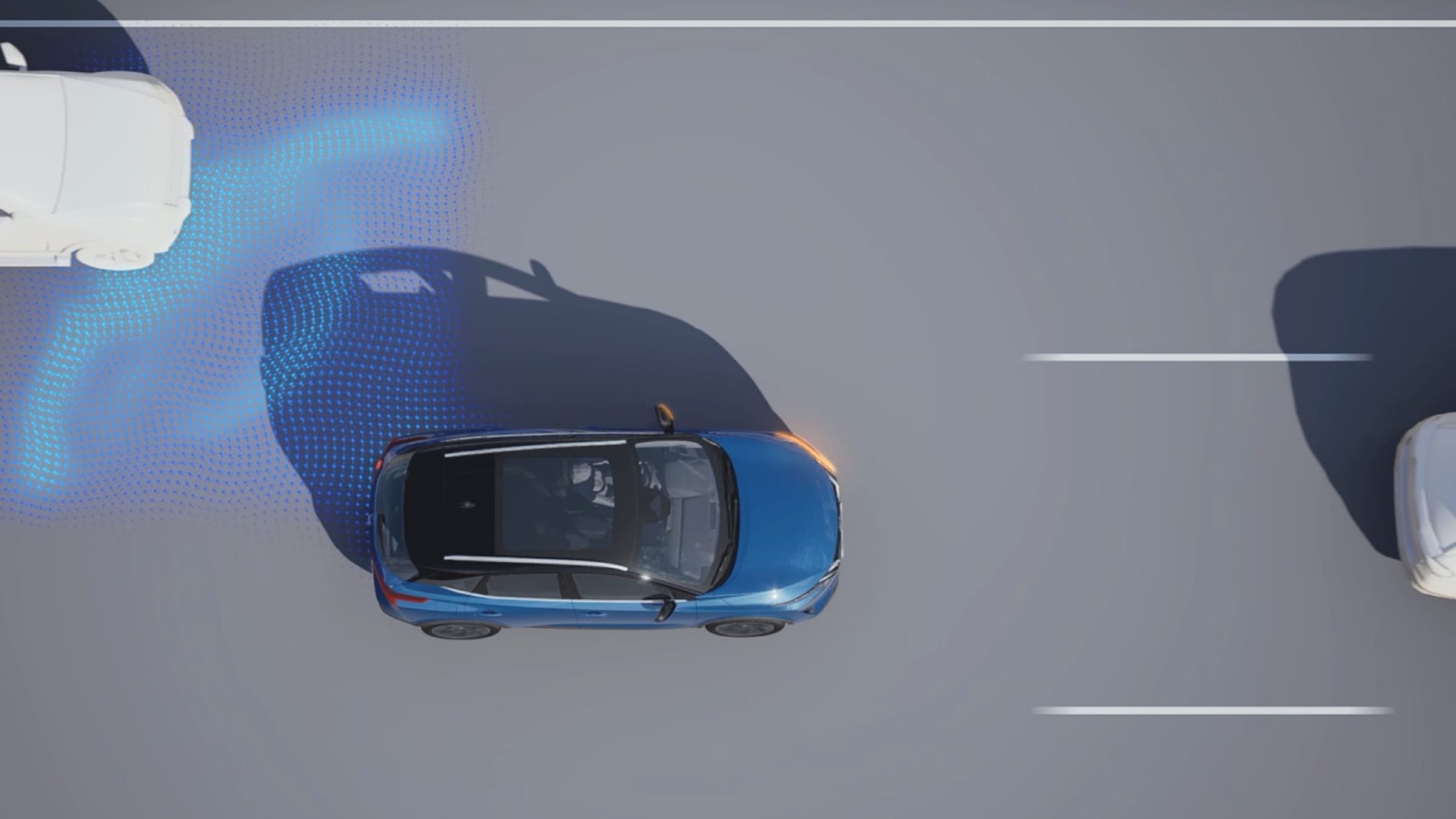

Drive with added peace-of-mind in the city. Intelligent Emergency Braking keeps a look-out for cars ahead and can alert and even apply the brakes to bring you to a complete stop if there's risk of a collision. On some Nissan models, the system also comes with Pedestrian and Cyclist Detection and Junction Assist⁶, which detects vehicles crossing your path at junctions. To find out exact model specifications and limitations on deployment, check with your local Nissan dealer.

Improved awareness in the car park. When reversing, if the system detects a stationary object behind your vehicle, it can automatically engage the brakes to help avoid a collision.

Lets you know when it's time for a break. By constantly monitoring your steering patterns, the system detects when you might be getting tired on the road and alerts you with a chime and a coffee cup icon on your display.

Sees what you can't. When you are trying to change lanes on the motorway, the sytem watches for vehicles in your blind spot. If one is detected it can apply the brakes and guide you safely back into your lane, away from danger.

Your second pair of eyes, watching for trouble ahead. The system can detect vehicles in front of you suddenly decelerating and give you an early warning to slow down.

Keep a safe braking distance from vehicles ahead. The system senses the distance and relative speed of your car and the vehicle ahead to keep a safe preset distance between both as you drive.
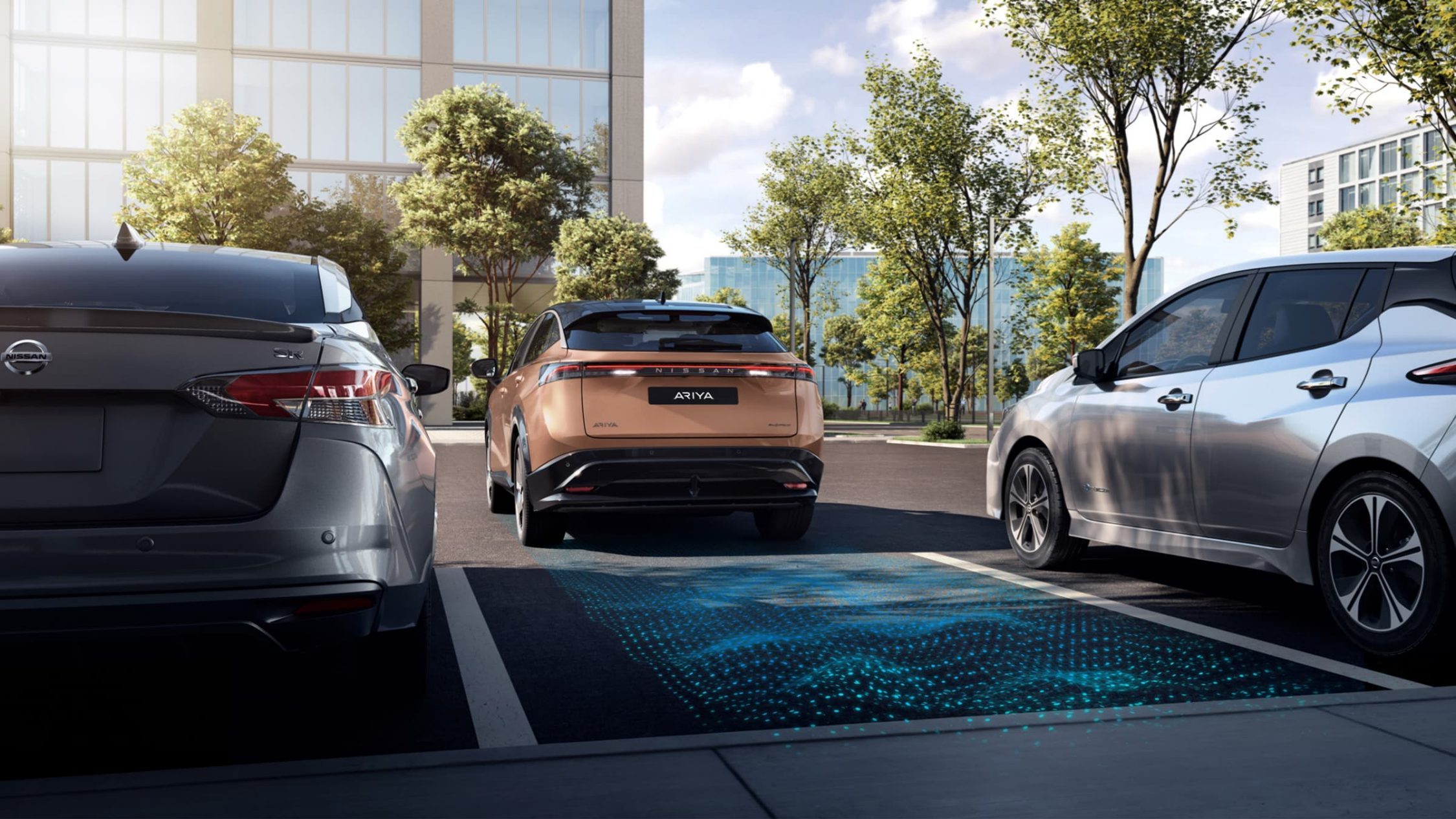
Your parking made easy
From cameras that offer a 360° birds-eye view of your surroundings to technology that can apply the brakes to help you avoid a collision with objects behind you, Nissan’s advanced driving technologies can aid you in any tricky parking scenario.

As you manoeuvre, four cameras provide a virtual 360 view from above and detect moving abjects around you.
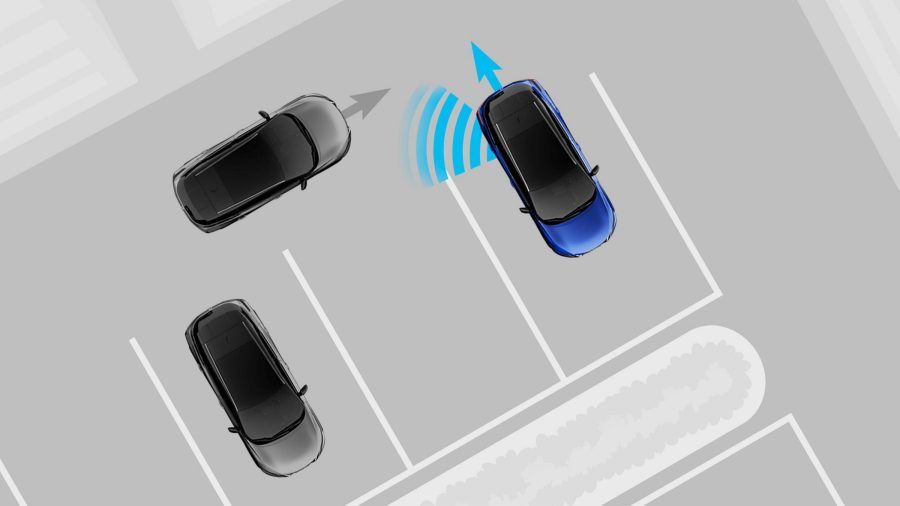
Avoid unwanted surprises when sliding in or out of parking spaces. When reversing, radar sensors detect objects behind you and approaching vehicles from the left or right side. The system alerts you with an audible and visual warning and if necessary automatically activates the brakes for a moment to help prevent a collision.
NISSAN INTELLIGENT POWER
NISSAN INTELLIGENT POWER
NISSAN INTELLIGENT POWER
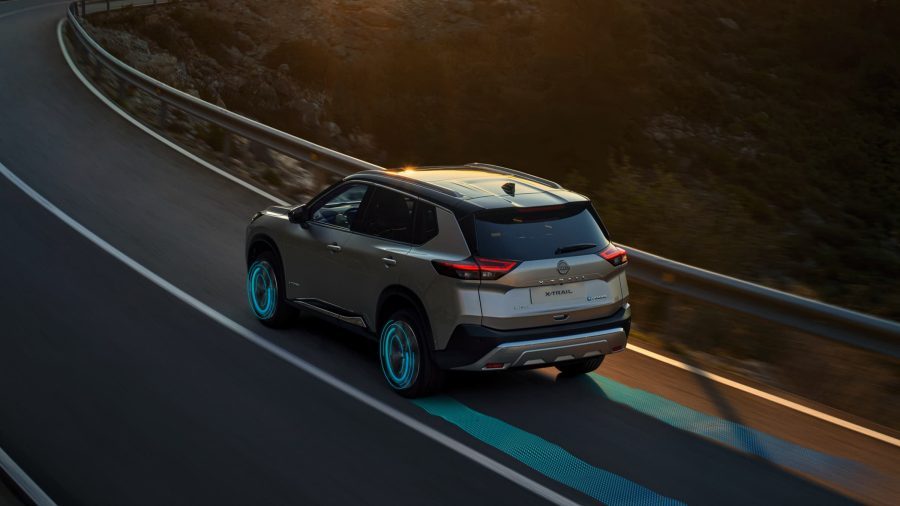
Reinvent the All-Wheel Drive experience, now electrified. Nissan e-4ORCE is the unique electric All-Wheel Drive technology. It delivers the perfect balance between powerful & unprecedented control. Turn a corner with e-4ORCE and be reassured by more power, stable handling and control even in extreme conditions. All the while ensuring a smooth ride for every passenger.
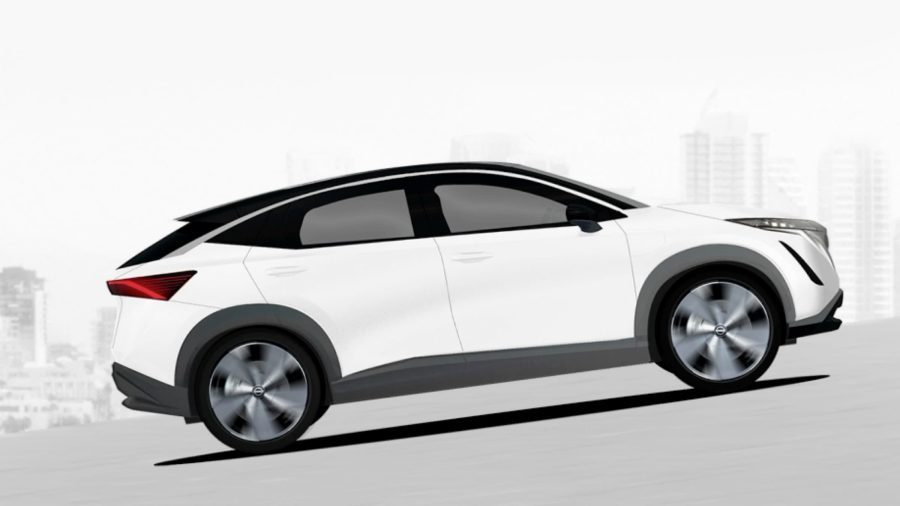
Discover an easier, more intuitive way to move. With e-Pedal Step you can accelerate and decelerate – all by using just the accelerator pedal. The brake pedal remains present to bring you to a complete stop and for emergency braking, but with one pedal control, welcome to a more simplified driving sensation.

Move to a unique electrified experience, now unplugged. Nissan’s unique e-POWER Hybrid technology offers a responsive, quiet and efficient drive. Driven by electric, powered by petrol, there is no need to plug in.
NISSAN INTELLIGENT INTEGRATION
NISSAN INTELLIGENT INTEGRATION
NISSAN INTELLIGENT INTEGRATION

Take your world with you anywhere
Take your world with you anywhere
Take your world with you anywhere
KEEP EXPLORING
KEEP EXPLORING
KEEP EXPLORING

Force of wonder
A unique 100% electric experience that is capable, precise and has unmatched style.

The ultimate crossover
A new vision for the car that pioneered the crossover. Compact, economical and more intelligent than ever.
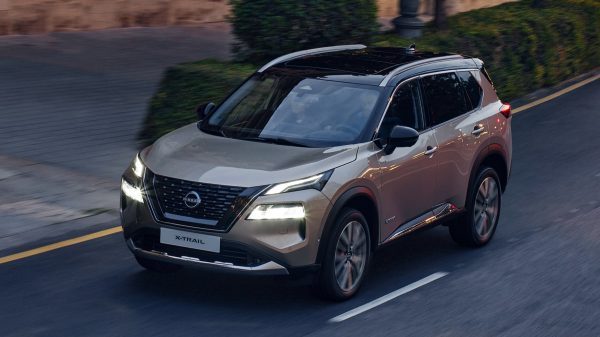
The family crossover
Welcome to adventure unlimited, with 7 seats, e-POWER Hybrid technology and 4x4 capability.
Images and descriptions shown are for guidance purposes. In some instances, photos are of non-UK specification vehicles and do not represent a specific, model, grade or offer. The features shown may not be available or may not be available as standard or only as option. (at an extra charge).
You should not rely solely on driver convenience features. Some features may not work in all conditions and circumstances. Speed and other limitations apply. For terms and conditions relating to Nissan technologies, please contact your Nissan dealer or www.nissan.co.uk/
(1) ProPILOT Assist is available on a limited range of vehicles. ProPILOT Assist is an Advanced Driver Assist technology but cannot prevent collisions. ProPILOT Assist is intended for “Eyes on/ Hands On” for highways only (road separated by Barriers).Navi-Link supports traffic sign recognition which may not detect and read all traffic signs in all conditions. Driver should monitor all traffic sign and obey traffic laws.It is the driver’s responsibility to stay alert, drive safely and remain in control of the vehicle at any time.For details, please check the Owner´s Manual.
(2) When ProPILOT Assist (on automatic transmission) or Drive Assist (on manual transmission) is available, Intelligent Lane Intervention and Intelligent Blind Spot Intervention will be activated only when the blue button on the steering wheel is pressed once (when ProPILOT Assist/Drive Assist is on stand by).
(3) To find out exact model specifications, check with your local Nissan dealer.
(4) Available on certain electrified powertrains. Please check with your local Nissan dealership.
(5) Connecting a mobile phone to NissanConnect [with Apple CarPlay and Android Auto] should only be done when the car is parked safely. Use of the system should always be in accordance with the Highway Code. Users should be aware of the potential for hands-free technology to distract attention from the road which could impact on having full control of the vehicle. For compatible devices, visit https://www.nissan.co.uk/owners/nissan-infotainment-system.html
(6) Nissan’s Pedestrian and Cyclist Detection and Junction Assist is available on a variety of models with different conditions on deployment. Please check with your local Nissan dealer for more information.